 Before
 9 months later
The first photo shows a smiling young man in glasses and a dark suit. It's the kind of picture you'd find on a company's "Meet the team" page.
The second was taken nine months later. The glasses are gone. The beard is full and shaped, the hair is swept back, and he's in a black tie. He looks like the lead in a fragrance ad.
He didn't have surgery, according to Qoves, the company behind his transformation.
Qoves has a simple pitch, and it makes some people uneasy. Send it photos of your face, and it will tell you exactly what would make you look better. Then it shows you what you'd look like, at your "best-looking self".
Qoves was built by Oxford-trained researchers and AI engineers from some of the world's top universities, and it has grown fast. More than 80,000 people have signed up, and the company has sparked plenty of debate online.
The $230,000 face
Decades of research show that looks affect far more than most people assume.
A classic 1972 study titled "What is beautiful is good" found that people assume attractive strangers have better personalities, better jobs and happier marriages, without knowing anything else about them.
It shows up in your bank account too. Economist Daniel Hamermesh estimates that good-looking workers earn around $230,000 more over a career than those with below-average looks.
On dating apps, the gap is even bigger. In a 2024 study of 445 app users, a clear step up in looks raised a profile's odds of being picked by about 20%. The same step up in intelligence raised them by about 2%, and a better bio made little difference.
Those are only a few examples. A major review of more than 900 studies, published in 2000, found that attractive people are judged and treated more favorably, even by people who know them well.
A new kind of inequality
Qoves has its critics. Some say services like it add to the pressure to look perfect, or will make people more insecure about their looks. Others question whether helping everyone become more attractive is a good thing at all.
When the company's research first made headlines in 2021, The Guardian warned that AI beauty tools could reinforce biases.
Then there is the product itself. Qoves gives members a realistic projection of their face at its best, alongside a list of the changes needed to get there. Psychologists have long warned that comparing ourselves with idealized images can feed dissatisfaction. Here, the idealized image is your own face, and once you've seen it, it's hard to unsee.
There is also the question of what happens if it works. Research on attractiveness suggests people really do treat you differently when you look better, and not always in ways you'd choose: more attention, more snap judgments, more people interested in your face rather than in you.
And it raises an uncomfortable question about fairness. Looks already shape pay, grades and dating. A service that helps some people become noticeably better-looking risks widening that gap for people who can't afford services like it.
The face you could have
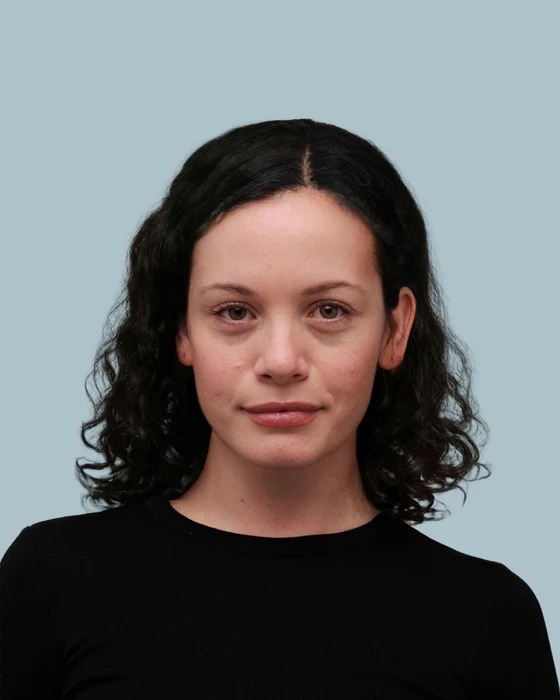
The process is simple. You upload a few photos of your face and answer some questions about your lifestyle and what you want from your look.
Within a few days, Qoves sends back a projection of your best-looking self: a realistic picture of how you could look at your best.
With it comes a list of the changes that would get you there, ranked by how much difference each one makes. None of them involve surgery.
 Before
 Projection
Members see a preview of the result on their own face, then follow a plan of non-surgical changes in a set order. The company says every change it recommends is non-surgical, and that some members see a visible difference in just a few weeks.
Is that really the same person?
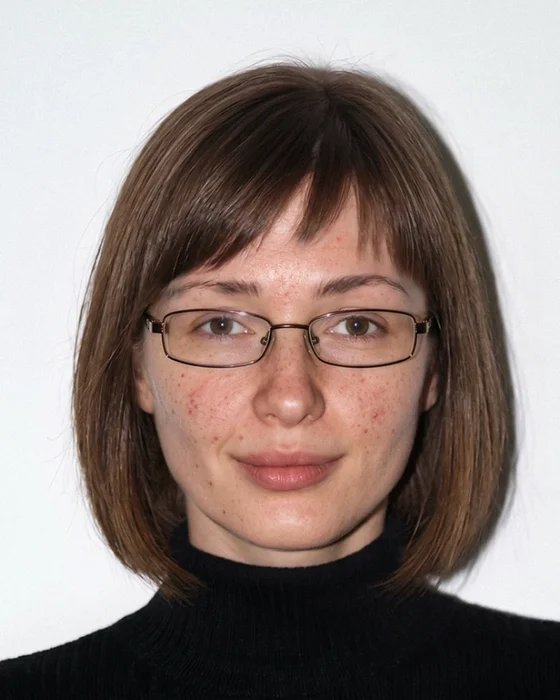
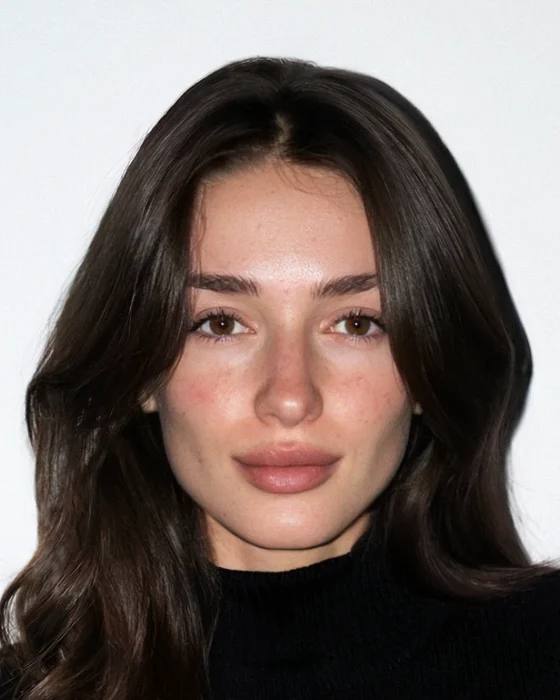
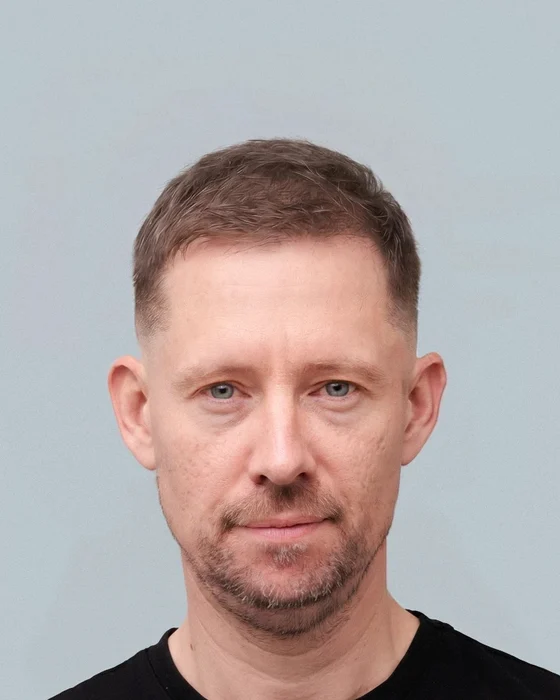
On its website, Qoves shows before and afters, and the results are drastic. In some, the person is barely recognizable. The company insists none of it involves surgery.
 Before
 Projection
 Before
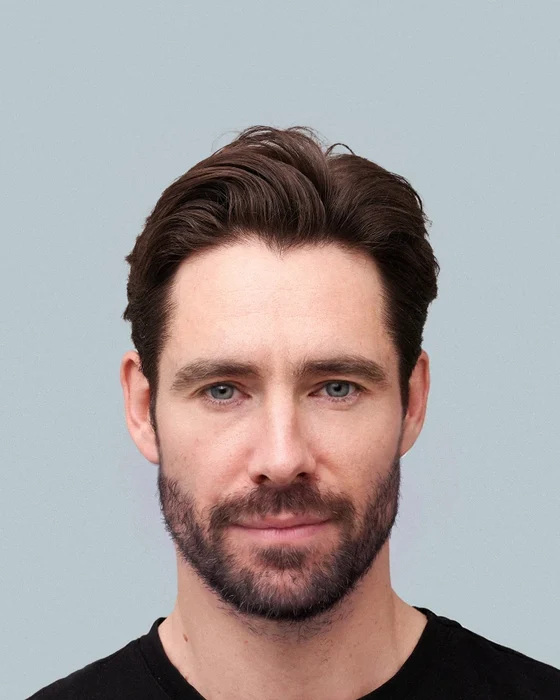 Projection
 Before
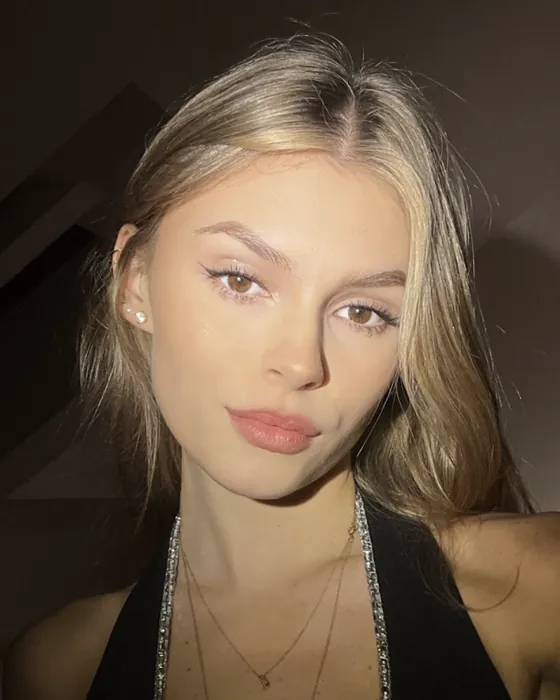 After
 Before
 7 months later
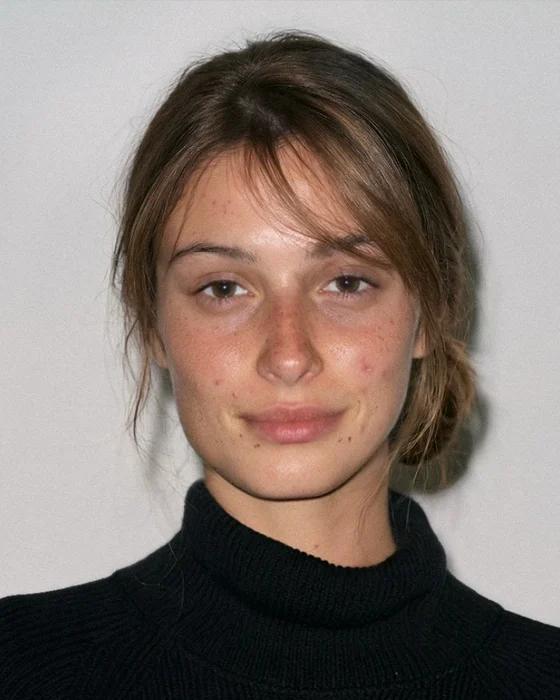 Before
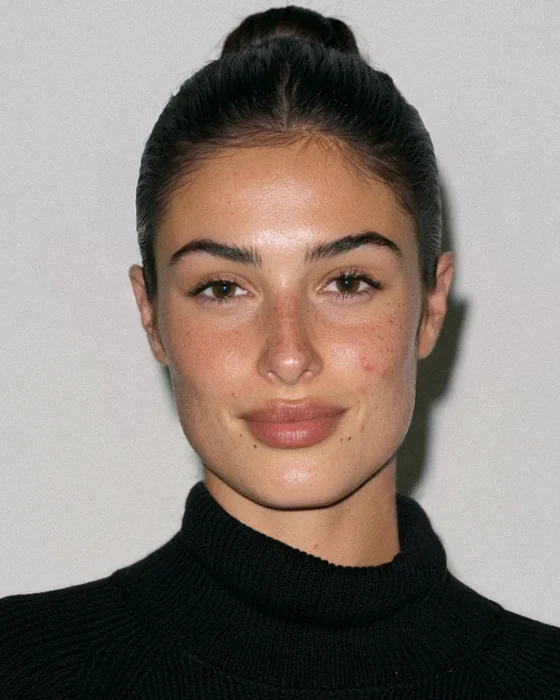 Projection
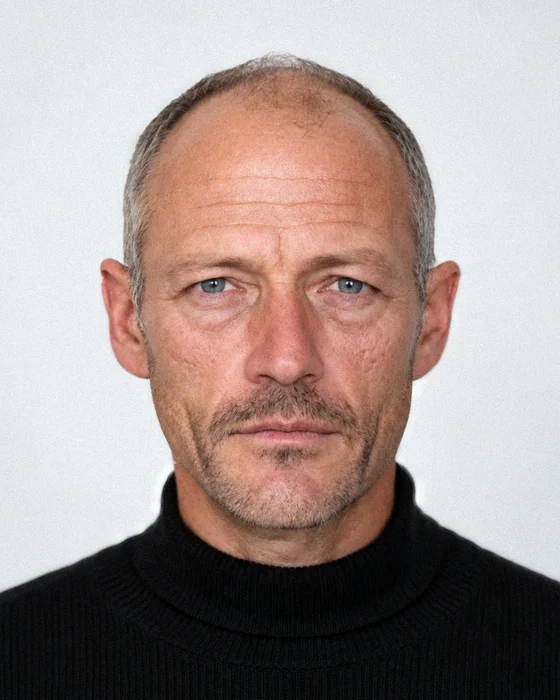 Before
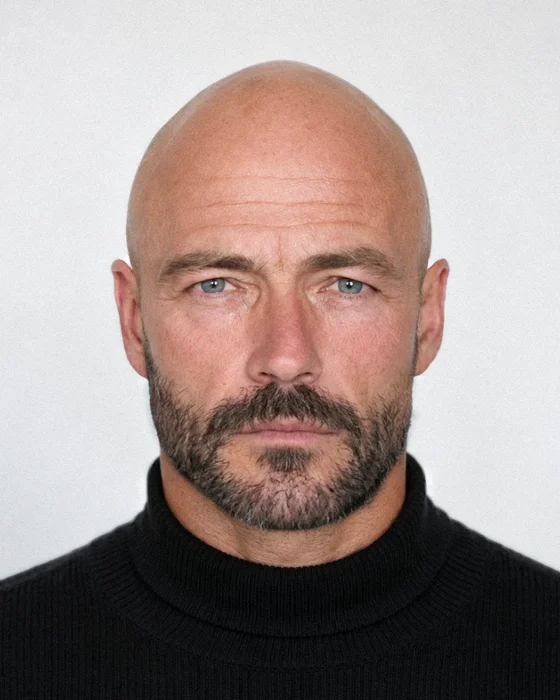 Projection
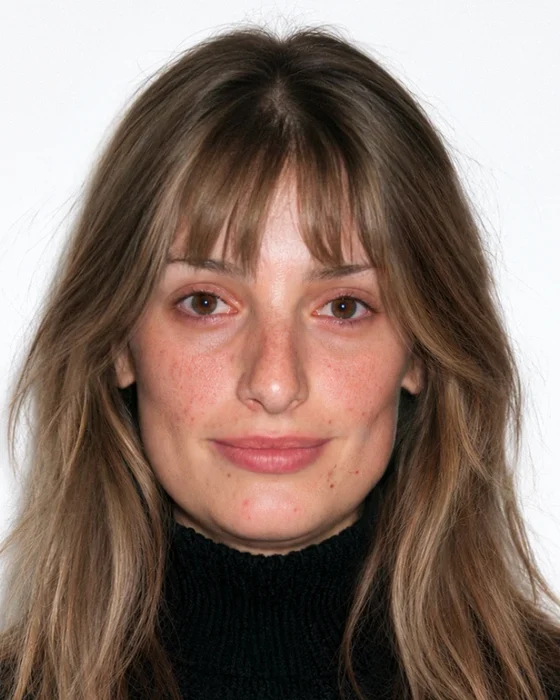 Before
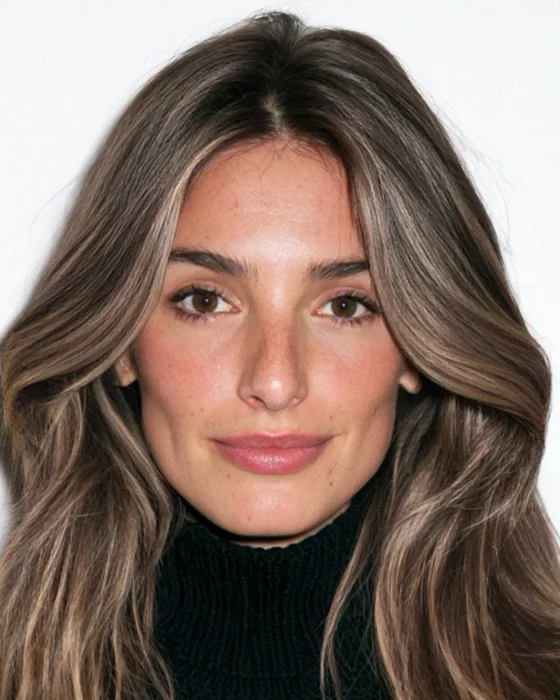 Projection
Everyone wants to be hot
The debate over Qoves is unlikely to settle soon. In the meantime, more than 80,000 people have used it to get a plan for their face.
If you're curious what you'd look like at your best, you can see your own projection here.
QovesSee what you’d look like at your bestUpload a few photos and get your projection within a few days.qoves.com →
About this article
This is an advertisement. It is paid content from Qoves, and Double Take is a sponsored content format.
Sources
- Dion, K., Berscheid, E. & Walster, E. (1972). What is beautiful is good. Journal of Personality and Social Psychology, 24(3), 285–290.
- Hamermesh, D. S. (2011). Beauty Pays: Why Attractive People Are More Successful. Princeton University Press. The $230,000 figure is the author's estimate, based on a $20 average hourly wage.
- Langlois, J. H., Kalakanis, L., Rubenstein, A. J., Larson, A., Hallam, M. & Smoot, M. (2000). Maxims or myths of beauty? A meta-analytic and theoretical review. Psychological Bulletin, 126(3), 390–423.
- Witmer, J., Rosenbusch, H. & Meral, E. O. (2024). The relative importance of looks, height, job, bio, intelligence, and homophily in online dating: A conjoint analysis. Computers in Human Behavior Reports.
Disclaimer
(1) Qoves does not provide licensed clinical or medical services. Any recommendation involving clinical services, procedures or medication should be discussed with a licensed provider. (2) Most of the changes we showcase can be approached without surgery. Results vary. (3) Some images on this website are digitally generated to illustrate potential changes in appearance. Your results may vary.